Harnessing AI to Revolutionize Your Workplace Productivity and Workflow Efficiency
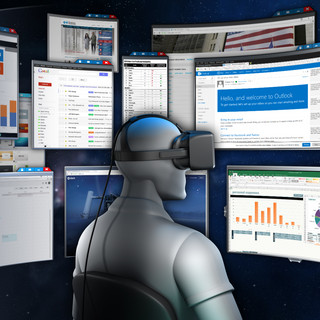
Artificial intelligence is changing how we work. From automating routine tasks to creating new ways to solve problems, AI offers tools that can help businesses of all sizes improve productivity and simplify workflows. Understanding how to use AI effectively can give you an edge in a competitive market and free up time for more important work.

How AI Improves Daily Productivity
AI can handle repetitive tasks that often slow down work. For example, business automation tools can manage scheduling, data entry, and customer responses without human intervention. This reduces errors and speeds up processes.
Small businesses can benefit from AI consulting services to identify which tasks to automate. For instance, a retail store might use AI to track inventory and reorder products automatically. This saves time and prevents stock shortages.
Students and beginners can also use AI-powered writing assistants to improve their reports and presentations. These tools suggest better phrasing, check grammar, and help organize ideas clearly.
Streamlining Workflows with AI Integration
Integrating AI into business operations means connecting AI tools with existing software and processes. This integration allows data to flow smoothly between systems, reducing manual work and improving accuracy.
For example, a company using customer relationship management (CRM) software can add AI features to analyze customer behavior and predict sales trends. This helps sales teams focus on high-potential leads and tailor their approach.
An artificial intelligence strategy should include clear goals and steps for integration. Start by mapping out current workflows and identifying bottlenecks. Then, choose AI solutions that address those specific issues. This targeted approach ensures that AI adds real value rather than creating complexity.
Examples of AI in Action
Customer Support: AI chatbots handle common questions 24/7, freeing human agents to solve complex problems.
Marketing: AI tools analyze campaign data to suggest the best times to post or the most effective messages.
Finance: Automated systems detect fraudulent transactions and generate financial reports quickly.
Human Resources: AI screens resumes and schedules interviews, speeding up hiring.
These examples show how AI consulting services can help tailor solutions to your unique needs, ensuring you get the most benefit.

Getting Started with AI in Your Business
To begin integrating AI into business, consider these steps:
Assess your needs: Identify repetitive or time-consuming tasks.
Research tools: Look for business automation tools that fit your industry and budget.
Consult experts: AI consulting services can provide guidance and help avoid common pitfalls.
Train your team: Ensure employees understand how to use AI tools effectively.
Measure results: Track improvements in productivity and workflow efficiency to adjust your strategy.
By following these steps, you create a solid artificial intelligence strategy that supports growth and innovation.
The Future of Work with AI
AI will continue to evolve, offering more advanced features and new applications. Businesses that adopt AI early will have a competitive advantage by working faster and smarter.
For beginners and students, learning about AI now prepares you for future careers where AI skills will be essential. For small businesses and corporate clients, AI consulting services provide the expertise needed to navigate this change successfully.
Using AI responsibly and thoughtfully ensures it supports human workers rather than replacing them. The goal is to build a workplace where AI handles routine tasks, and people focus on creativity, problem-solving, and personal connections.

Comments